Website Design Process: From Planning to Launch
A successful website is not built overnight. It requires proper planning, strategic design, careful development, and thorough testing before launch. For businesses, a well-designed website plays a crucial role in building credibility, generating leads, and converting visitors into customers.
In this article, we explain our website design process from planning to launch, so you understand how a professional website is created step by step.
Step 1: Planning & Requirement Analysis
Every website project starts with understanding business goals and user requirements. During the planning phase, we gather important information such as:
- Business objectives
- Target audience
- Website purpose (leads, sales, branding)
- Required features and functionality
This stage helps us create a clear roadmap and avoid unnecessary revisions later.
Step 2: Research & Strategy
Once requirements are clear, we conduct research to build a strong strategy. This includes:
- Competitor analysis
- Industry trends
- Content structure planning
- SEO-friendly site architecture
A well-defined strategy ensures the website is built for performance, scalability, and search engine visibility.
Step 3: Wireframing & Layout Design
Wireframes are basic layouts that define the structure of each page. They help visualize:
- Page hierarchy
- Navigation flow
- Placement of content and calls-to-action
This step ensures clarity before moving into full design.
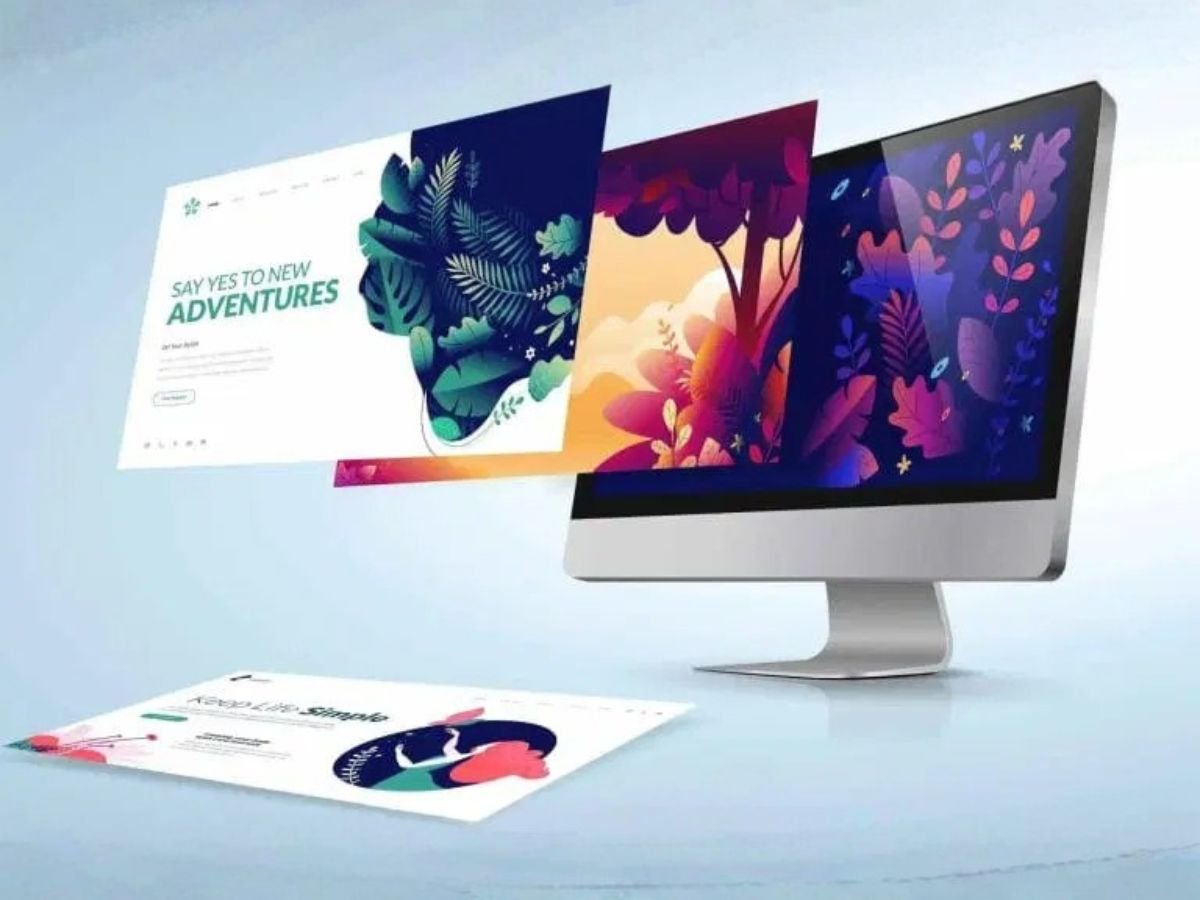
Step 4: Visual Design & Branding
At this stage, we create the visual look of the website. This includes:
- Color schemes
- Typography
- Images and graphics
- Brand consistency
The goal is to create a professional and engaging design that reflects the brand identity and builds trust with visitors.
Step 5: Website Development
After finalizing the design, we move to the development phase. Here, the website is converted into a fully functional platform using clean and secure code. Development includes:
- Responsive design for all devices
- Fast loading performance
- SEO-friendly structure
- Content management system integration
This ensures the website is easy to manage and future-ready.
Step 6: Content Integration & SEO Setup
Content plays a vital role in website success. We add optimized content, images, and calls-to-action while ensuring:
- Proper heading structure (H1, H2, H3)
- Keyword optimization
- Meta titles and descriptions
- Internal linking
This step improves search engine visibility and user experience.
Step 7: Testing & Quality Assurance
Before launch, the website goes through thorough testing to ensure everything works smoothly. This includes:
- Cross-browser testing
- Mobile responsiveness checks
- Page speed optimization
- Form and link testing
Testing helps identify and fix issues before users encounter them.
Step 8: Website Launch
Once testing is complete and approval is received, the website is ready to go live. We ensure:
- Secure hosting setup
- Domain configuration
- Backup systems in place
The launch phase marks the beginning of your online journey.
Step 9: Post-Launch Support & Maintenance
Website launch is not the end of the process. Ongoing support and maintenance help keep the website updated, secure, and optimized. This is where services like Care Pack Service provide long-term peace of mind.
Why a Structured Website Design Process Matters
A clear design and development process ensures:
- Better project management
- Higher quality output
- Fewer errors and delays
- Stronger online presence
For businesses, this results in improved trust, engagement, and conversions.
Conclusion
A professional website is built through a structured and strategic process. From planning and design to development and launch, every step plays an important role in creating a website that performs well and supports business growth.