How Analytics Helped Identify High-Performing Pages
Many businesses have websites but do not fully understand which pages are actually delivering results. Without proper analytics, decisions are often based on assumptions rather than data. Website analytics helps businesses identify high-performing pages, understand user behavior, and optimize content for better results.
In this article, we explain how analytics helped identify high-performing pages and how this insight supports smarter growth strategies.
What Are High-Performing Pages?
High-performing pages are pages that achieve specific business goals, such as:
- High traffic volume
- Longer user engagement
- Higher conversion rates
- Lower bounce rates
These pages indicate what is working well and provide a clear direction for future optimization.
Why Analytics Is Essential for Page Performance
Analytics tools like Google Analytics provide detailed insights into how users interact with your website. Instead of guessing, businesses can rely on real data to measure performance accurately.
Analytics helps answer important questions such as:
- Which pages attract the most visitors?
- Where do users spend the most time?
- Which pages generate leads or conversions?
Key Metrics Used to Identify High-Performing Pages
1. Page Views and Traffic Sources
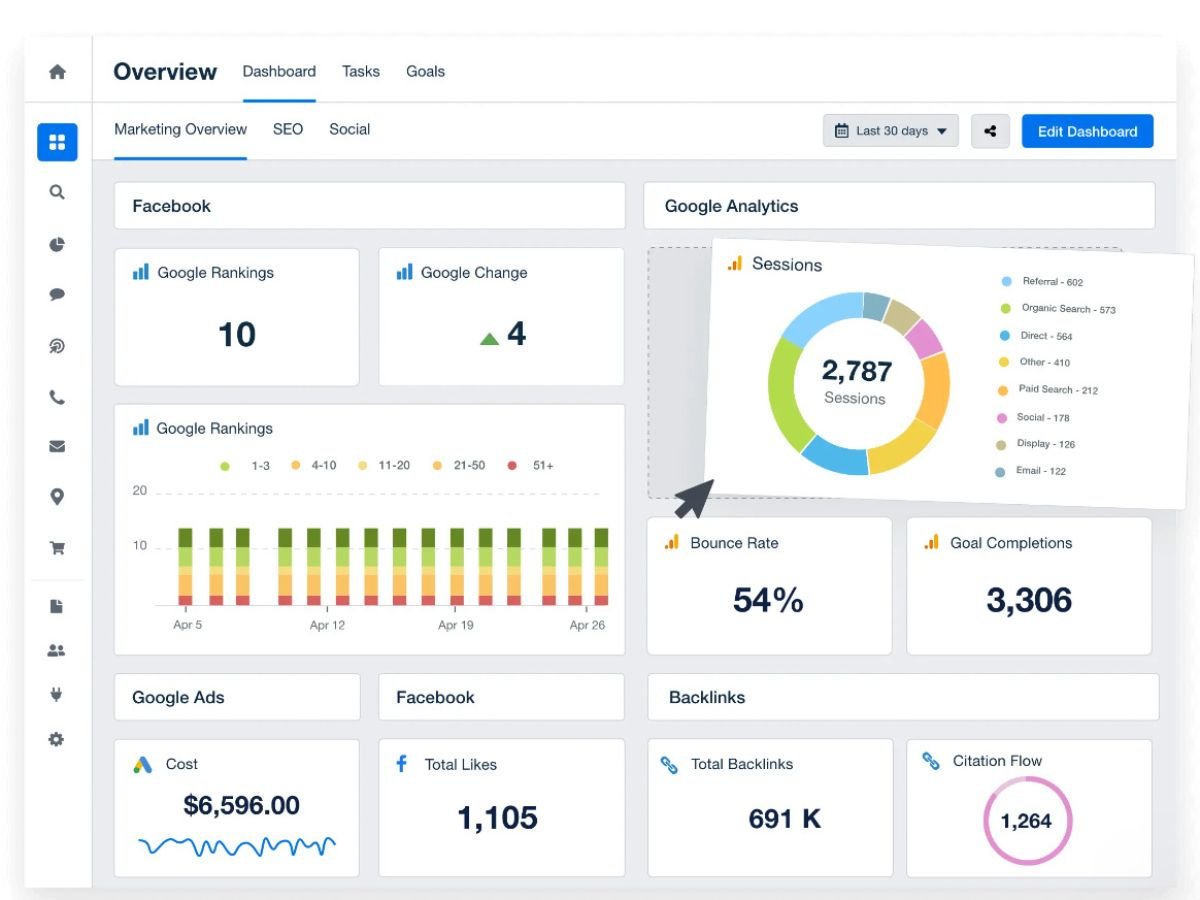
Analytics shows which pages receive the most traffic and where that traffic comes from, such as organic search, paid ads, or social media.
High traffic from organic sources often indicates strong SEO performance.
2. Average Time on Page
Pages with higher time-on-page values usually provide relevant and engaging content. This metric helps identify content that users find valuable.
3. Bounce Rate
A low bounce rate suggests that users are exploring more pages after landing. High-performing pages generally have lower bounce rates, indicating better user experience.
4. Conversion Rate
Conversion tracking helps identify pages that successfully turn visitors into leads or customers. These pages directly contribute to business growth.
5. User Flow and Behavior
Analytics allows businesses to see how users navigate through the website. Understanding user flow helps identify which pages guide visitors toward conversions.
How Analytics Insights Were Used to Improve Performance
Identifying Successful Content
High-performing pages revealed which topics, formats, and layouts worked best. This insight helped replicate successful content across other pages.
Optimizing Underperforming Pages
By comparing high-performing and low-performing pages, we identified gaps in content quality, structure, and calls-to-action.
Improving Conversion Paths
Analytics showed where users dropped off in the conversion process. This helped optimize landing pages and improve lead generation.
Supporting Data-Driven Decisions
Instead of making changes based on assumptions, all improvements were guided by analytics data. This reduced risk and improved ROI.
Benefits of Identifying High-Performing Pages
- Better content strategy
- Improved SEO performance
- Higher conversion rates
- Efficient use of marketing budgets
- Clear growth direction
How Analytics Supports Long-Term Growth
Analytics is not a one-time setup. Continuous monitoring ensures that performance remains consistent and improvements are made proactively.
By tracking trends over time, businesses can adapt strategies, stay competitive, and scale effectively.
Conclusion
Analytics plays a crucial role in understanding website performance. By identifying high-performing pages, businesses can focus on what works, improve what doesn’t, and make informed decisions that drive growth.