Low Website Traffic? Here’s What You’re Doing Wrong
Low website traffic is one of the most common problems businesses face online. You may have a good-looking website, quality services, and competitive pricing, yet still struggle to attract visitors. In most cases, low traffic is not due to bad luck—it’s the result of common mistakes that limit your website’s visibility and performance.
In this article, we highlight the most common reasons for low website traffic and explain what you may be doing wrong.
1. Ignoring Search Engine Optimization (SEO)
One of the biggest reasons for low website traffic is poor or missing SEO. If your website is not optimized for search engines, it will not appear in search results when potential customers look for your services.
Common SEO mistakes include:
- Not targeting the right keywords
- Missing meta titles and descriptions
- Poor heading structure
- Thin or duplicate content
Without proper SEO, even a well-designed website will struggle to get organic traffic.
2. Publishing Low-Quality or Inconsistent Content
Content plays a major role in driving traffic. Websites that publish outdated, short, or low-quality content often fail to attract users.
Search engines favor websites that:
- Publish informative and original content
- Update blogs regularly
- Answer real user questions
Inconsistent blogging or copied content can significantly reduce your website’s reach.
3. Poor Website Structure and User Experience
If users find your website difficult to navigate, slow to load, or confusing, they will leave quickly. High bounce rates signal to search engines that your website may not provide a good user experience.
Common issues include:
- Slow page speed
- Poor mobile responsiveness
- Broken links
- Confusing navigation
A well-structured website keeps users engaged and improves search engine rankings.
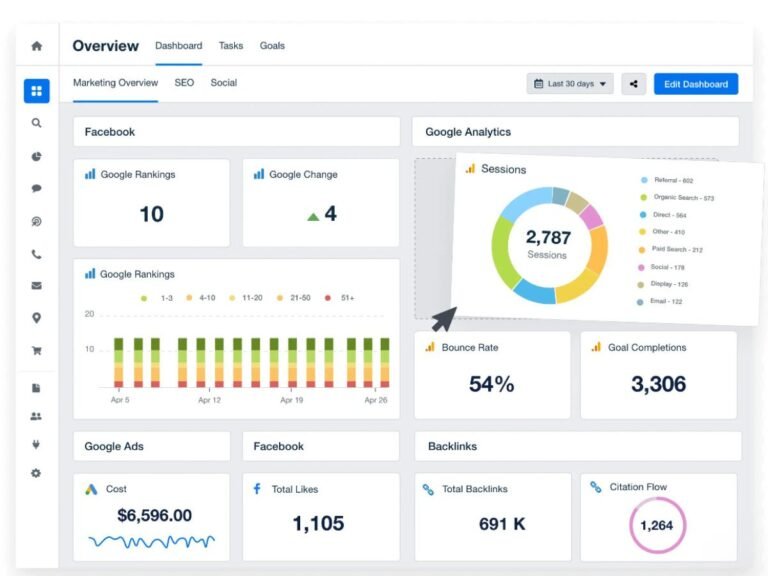
4. Not Tracking Website Performance
Many businesses do not track their website performance properly. Without analytics, it’s impossible to know:
- Where your traffic is coming from
- Which pages perform well
- Where users drop off
Analytics and reporting tools help identify issues and guide data-driven improvements.
5. Relying Only on Paid Ads or Only on Organic Traffic
Some businesses rely entirely on paid ads, while others depend only on organic traffic. Both approaches have limitations.
- Paid ads provide instant traffic but stop when the budget ends
- Organic SEO takes time but delivers long-term results
A balanced strategy combining SEO, PPC, and content marketing delivers more consistent traffic growth.
6. Weak Call-to-Action (CTA)
Even if users visit your website, weak or unclear calls-to-action can reduce engagement. If visitors don’t know what to do next, they are likely to leave.
Effective CTAs should:
- Be clear and visible
- Match user intent
- Guide users toward the next step
7. Lack of Local Optimization
For service-based businesses, ignoring local SEO is a major mistake. Without local optimization, your website may miss out on users searching for services in their area.
Local SEO helps businesses appear in:
- Local search results
- Google Maps
- Location-based queries
How to Fix Low Website Traffic
To improve website traffic, businesses should focus on:
- Proper SEO implementation
- Consistent, high-quality content creation
- Performance tracking with analytics
- Improving website speed and usability
- Using both organic and paid marketing strategies
Conclusion
Low website traffic is often the result of avoidable mistakes. By identifying what you’re doing wrong and taking corrective steps, you can significantly improve your website’s visibility and performance.