Why Paid Ads Fail and How to Improve ROI
Paid advertising is one of the fastest ways to bring traffic to a website, but many businesses struggle to see real results. Despite spending money on ads, they often fail to generate leads or sales. This usually happens due to poor strategy, weak targeting, or lack of proper optimization.
In this article, we explain why paid ads fail and how businesses can improve return on investment (ROI) with a smarter and more data-driven approach.
Common Reasons Why Paid Ads Fail
1. Targeting the Wrong Audience
One of the main reasons paid ads fail is incorrect audience targeting. Showing ads to people who are not interested in your product or service results in wasted ad spend and low conversions.
Effective targeting should focus on:
- User intent
- Location and demographics
- Search behavior
- Relevant interests
2. Using Broad or Irrelevant Keywords
Broad keywords attract a large audience but often bring low-quality traffic. This leads to high click costs and poor conversion rates.
Using intent-based and specific keywords helps ensure ads reach users who are more likely to convert.
3. Weak Ad Copy and Messaging
Ad copy plays a critical role in attracting clicks and setting expectations. Poorly written ads that do not clearly communicate value or benefits often result in low engagement.
Effective ad copy should:
- Match user intent
- Highlight clear benefits
- Include strong calls-to-action
4. Poor Landing Page Experience
Even the best ads can fail if they lead to poorly designed landing pages. Slow-loading pages, unclear messaging, or confusing layouts cause users to leave without converting.
A strong landing page should be:
- Fast and mobile-friendly
- Focused on a single goal
- Clear and easy to understand
5. No Conversion Tracking or Analytics
Without proper tracking, businesses cannot measure success or identify issues. Running ads without analytics is like driving without a map.
Conversion tracking helps measure:
- Leads and sales
- Cost per conversion
- Campaign performance
6. Lack of Ongoing Optimization
Paid advertising is not a one-time task. Campaigns need continuous monitoring and optimization to stay effective.
Without optimization, ad performance declines and ROI drops.
How to Improve ROI from Paid Advertising
1. Focus on High-Intent Keywords
Target keywords that indicate readiness to take action. This reduces wasted clicks and improves conversion rates.
2. Refine Audience Targeting
Segment audiences based on behavior, location, and interests. Better targeting leads to higher-quality traffic and better ROI.
3. Improve Ad Creatives and Messaging
Test multiple ad copies and creatives to identify what resonates best with your audience.
4. Optimize Landing Pages
Ensure landing pages are optimized for speed, clarity, and conversions. Small improvements can lead to significant ROI gains.
5. Use Data and Analytics for Decision-Making
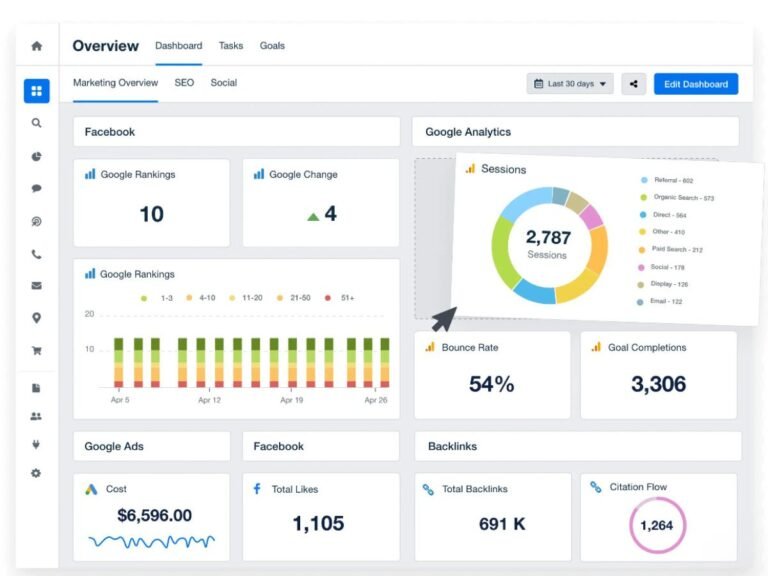
Analytics helps identify what is working and what needs improvement. Data-driven decisions consistently deliver better results.
6. Combine Paid Ads with SEO
Paid ads work best when supported by strong SEO. While ads provide quick traffic, SEO builds long-term visibility and trust.
Who Can Benefit from Optimized Paid Advertising?
- Small and medium businesses
- Service-based companies
- E-commerce brands
- Businesses looking for measurable growth
Conclusion
Paid ads fail not because advertising doesn’t work, but because of poor strategy and lack of optimization. By targeting the right audience, improving ad messaging, optimizing landing pages, and using analytics, businesses can significantly improve their advertising ROI.